

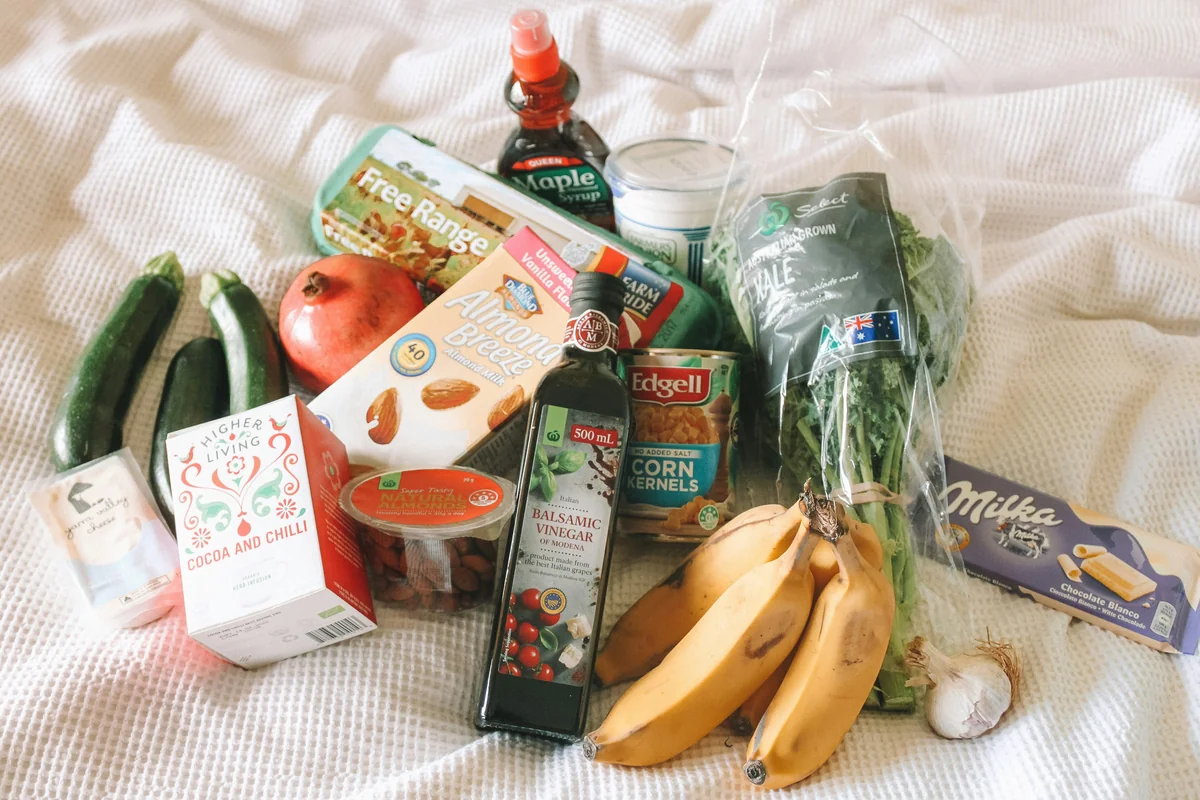
Organic groceries are often seen as a luxury, but that does not have to be true. If you know where to look, plan ahead, and combine savings strategies, you can reduce your food bill without giving up the products you trust. Many shoppers assume organic items never go on sale or that coupons only apply to processed foods, yet both ideas are outdated. Today, brands, stores, and digital apps offer many ways to cut costs on healthier products.
Table of Contents
- Build a Smart Savings Strategy Before You Shop
- Find the Best Coupons for Organic Foods
- Combine Coupons With Sales, Store Brands, and Seasonal Buying
- Shop More Efficiently and Avoid Common Coupon Mistakes
- FAQ
- Are organic coupons really easy to find?
- Can I use coupons on fresh organic produce?
- Do store-brand organic products offer better value than coupons?
- Are rebate apps worth using for organic groceries?
- How can I avoid overspending while using coupons?
- Conclusion
This guide explains How to save money on organic groceries with coupons using practical, realistic methods. You will learn where to find the best coupon sources, how to stack discounts, when to shop, and how to build habits that make long-term savings easier. Whether you shop at natural food stores, mainstream supermarkets, or online retailers, these tips can help you spend less while still buying quality organic foods.
Build a Smart Savings Strategy Before You Shop
Learning How to save money on organic groceries with coupons starts before you ever enter a store or open an app. The best savings come from planning, not impulse buying. A clear grocery strategy helps you avoid overspending and makes coupons far more effective.
Start by creating a weekly meal plan based on what is already in your pantry, fridge, and freezer. If you can use ingredients you already own, you reduce waste and cut the number of items you need to buy. Then build your shopping list around meals that use overlapping ingredients. For example, organic spinach can work in salads, smoothies, omelets, and pasta dishes during the same week.
Next, set a budget specifically for organic purchases. This helps you decide where organic matters most to you. Some families prioritize organic produce and dairy, while others focus on pantry staples, baby food, or snacks. By choosing your priorities, you can use coupons where they make the biggest difference.
Another key part of How to save money on organic groceries with coupons is matching coupons to store sales. A coupon on its own is helpful, but a coupon applied to an item already discounted gives you a stronger return. This is especially valuable for pricier organic foods such as nut butters, granola, frozen berries, grass-fed yogurt, and specialty beverages.
You should also learn your local stores’ coupon policies. Some stores allow digital coupons plus manufacturer coupons. Others offer loyalty rewards, app-exclusive discounts, or special organic promotions on certain days of the week. A few stores may even accept competitor coupons or provide rain checks when sale items sell out.
Here are some pre-shopping habits that can improve your savings:
– Check weekly circulars before making your list
– Compare prices across at least two stores
– Use rebate apps for organic brands
– Join store loyalty programs
– Avoid shopping while hungry
– Keep a running inventory of pantry staples
– Freeze sale items before they spoil
If you want consistent results, treat grocery savings like a system rather than a one-time trick. Over time, the combination of planning, couponing, and price awareness can significantly reduce your organic grocery bill.
Find the Best Coupons for Organic Foods
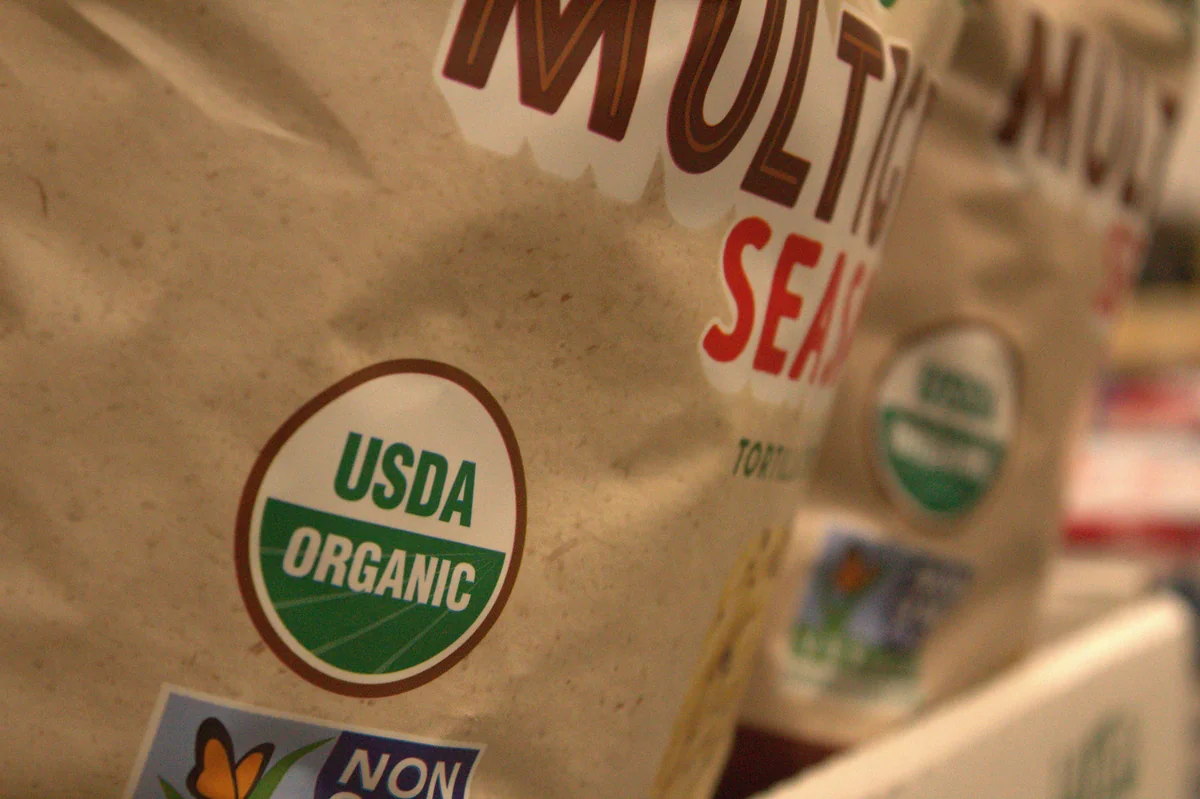
If you are serious about How to save money on organic groceries with coupons, you need to know where organic coupons actually come from. Many people only check newspaper inserts, but organic savings are now available in several places, both online and offline.
The first place to look is brand websites. Organic food companies often post printable coupons, sign-up offers, and newsletter discounts directly on their sites. Brands want loyal customers, and email subscribers are frequently rewarded with limited-time promotions. If you regularly buy the same organic cereal, yogurt, snacks, or pantry items, subscribing to those brands can pay off.
Second, download store apps. Major supermarkets, health food chains, and big-box retailers often offer digital coupons that can be clipped directly to your loyalty account. These discounts may include organic produce, private-label organic products, and natural household goods. App-based savings are convenient because they remove the need to carry paper coupons.
Third, use cashback and rebate platforms. These apps often feature rotating offers on organic milk, eggs, kombucha, salad kits, baby food, and frozen meals. While this is not always an instant discount at checkout, the cash returned later still lowers your effective grocery cost. This method is a practical part of How to save money on organic groceries with coupons because it expands your savings beyond traditional coupon methods.
Social media is another often-overlooked source. Organic brands sometimes share flash deals, promo codes, giveaways, and special coupon links on Instagram, Facebook, and email campaigns. Following your favorite brands can alert you to discounts before they become widely known.
Do not ignore in-store opportunities either. Tear pads, shelf tags, blinkie machines, and coupon booklets near organic sections can lead to extra savings. Natural food stores especially may place brand-sponsored coupons directly near featured products.
Good coupon sources for organic groceries include:
– Brand email newsletters
– Grocery store apps
– Manufacturer websites
– Printable coupon databases
– Cashback apps
– Store loyalty programs
– Social media promotions
– In-store coupon booklets
One important rule: only collect coupons for products you actually use. A discount is not savings if it pushes you to buy something that does not fit your household’s needs. The goal is not to accumulate random coupons. The goal is to support smart buying decisions with targeted discounts.
When you know where to search and stay consistent, finding deals becomes much easier. This is one of the most valuable skills in mastering organic grocery budgeting.
Combine Coupons With Sales, Store Brands, and Seasonal Buying

A big part of How to save money on organic groceries with coupons is understanding that coupons work best when paired with other savings methods. If you rely only on coupons, you may miss better opportunities. The smartest shoppers combine discounts with timing, substitutions, and flexibility.
One of the best tactics is stacking. Stacking means using more than one type of savings on the same item. For example, you might combine a store sale price, a digital coupon, and a cashback rebate. This can dramatically reduce the cost of premium organic products. Even if your store does not allow multiple coupons on one item, you can still often combine a sale with a rebate offer.
Store-brand organic products are another major opportunity. Many supermarkets now offer private-label organic lines that cost less than national brands even before coupons. If there is no coupon available for a name-brand organic item, compare the unit price to the store’s organic version. In many cases, the store brand wins on value.
Seasonal buying matters too. Organic produce tends to be cheaper when it is abundant and in season. Organic strawberries, apples, squash, greens, and tomatoes often drop in price during peak harvest periods. If you can match these sale periods with coupons or store promotions, your savings improve even more. This approach is central to How to save money on organic groceries with coupons because it helps you work with natural pricing cycles rather than against them.
Buying in larger quantities can also help, but only when done carefully. If you find a great deal on organic oats, rice, beans, pasta, frozen vegetables, or broth, stocking up can lower your average monthly cost. However, bulk buying is only smart if you have storage space and will actually use the product before it expires.
Consider these stacking examples:
– Organic yogurt on sale + digital coupon + rebate app
– Store-brand organic pasta + loyalty discount
– Seasonal organic blueberries + weekly produce promotion
– Organic cereal clearance price + manufacturer coupon
– Organic frozen vegetables buy-one-get-one + app coupon
You should also compare unit prices, not just package prices. A coupon may make one item look cheaper, but the cost per ounce or pound may still be higher than another option. Unit pricing is especially useful when comparing organic pantry staples, snack packs, and family-size items.
By combining methods instead of relying on a single tactic, you turn small discounts into meaningful savings over time. That is how experienced shoppers consistently keep organic grocery costs under control.
Shop More Efficiently and Avoid Common Coupon Mistakes
Understanding How to save money on organic groceries with coupons also means avoiding the mistakes that erase your savings. Even strong coupons can become ineffective if they lead to unplanned purchases, duplicate items, or food waste.

A common mistake is buying organic products just because there is a coupon, even when the item was not on your list. This can increase your total spending and crowd out more useful items. Always ask yourself whether the product fits your meal plan, budget, and household preferences.
Another error is failing to read coupon terms. Some coupons only apply to specific sizes, flavors, or product lines. Others exclude trial sizes or require buying multiple items. If you misunderstand the terms, you may end up at checkout with no discount at all.
Organization matters too. If you use paper coupons, sort them by category and expiration date. If you use digital offers, clip them before shopping and verify they loaded correctly to your account. A well-organized routine makes How to save money on organic groceries with coupons much easier and less stressful.
Timing is another important factor. Many stores release new weekly deals on specific days. Shopping shortly after those updates gives you the best chance of finding in-stock sale items. If you wait too long, the most popular organic products may already be gone.
To shop more efficiently, follow this simple process:
- Review your pantry and fridge
- Check store ads and coupon apps
- Build a list around meals and sale items
- Clip only relevant coupons
- Compare unit prices in store
- Stick to your list unless a truly better deal appears
- Store perishables properly to prevent waste
It is also wise to be flexible with brands. Loyalty to a single organic brand can limit your savings. If several certified organic options meet your standards, choose the one with the best combined deal that week.
Watch out for these coupon traps:
– Buying items you do not need
– Ignoring expiration dates
– Missing size restrictions
– Forgetting to scan loyalty accounts
– Overbuying perishables
– Assuming all organic stores have the same prices
– Forgetting to redeem rebates after purchase
The final piece is tracking your results. Save receipts or note your discounts in a spreadsheet or budgeting app. Seeing how much you save each month reinforces the habit and helps you identify which stores and coupon sources deliver the best value.
FAQ
Are organic coupons really easy to find?

Yes, but you need to know where to look. A core part of How to save money on organic groceries with coupons is using brand websites, grocery apps, email newsletters, and cashback platforms instead of relying only on newspaper inserts.
Can I use coupons on fresh organic produce?
Sometimes. While fresh produce coupons are less common than packaged food offers, stores may provide digital produce coupons, category discounts, or loyalty rewards. This is still an effective part of How to save money on organic groceries with coupons when combined with seasonal shopping.
Do store-brand organic products offer better value than coupons?
Often, yes. In many cases, private-label organic products are cheaper than national brands even after a coupon. That is why How to save money on organic groceries with coupons also involves comparing unit prices instead of assuming every coupon creates the best deal.
Are rebate apps worth using for organic groceries?
Absolutely. Rebate apps can return cash on many organic staples and snacks after purchase. For shoppers focused on How to save money on organic groceries with coupons, rebates are a useful extra layer of savings, especially when paired with store sales.
How can I avoid overspending while using coupons?
Stick to a list, meal plan in advance, and only use discounts for items you already intend to buy. The most practical version of How to save money on organic groceries with coupons is based on discipline, not random bargain hunting.
Conclusion
Once you understand How to save money on organic groceries with coupons, organic shopping becomes much more affordable than many people expect. The key is not simply collecting coupons. It is combining planning, price comparison, store loyalty benefits, seasonal buying, rebates, and smart substitutions.
Use coupons strategically, not emotionally. Focus on products your household already enjoys, match discounts with sales, and keep an eye on store-brand organic alternatives. Over time, these habits can lower your grocery bill without forcing you to sacrifice quality or nutrition.

If you stay organized and consistent, How to save money on organic groceries with coupons becomes less of a challenge and more of a routine. Small savings on each trip may seem minor, but month after month, they add up to meaningful results for your budget and your pantry.